
This workshop invites participants to reflect on relational psychoanalytic theory and technique, with a particular focus on radical openness and courageous speech/disciplined spontaneity. Participants will deepen their understanding of relationally-oriented theory and clinical technique and gain tools for assessing their own work from a relational stance. No prior familiarity with relational psychoanalysis is assumed, and the workshop is open to practitioners of all types, including therapists, analysts, consultants, supervisors, and master’s-level students. Grounded in the growing body of research showing that therapeutic change depends on the quality of the relationship between therapist and patient, the workshop aims to broaden participants’ professional skills and understanding within this evolving paradigm.
Core Competencies/Disciplines in Relational Psychoanalysis
Agenda
- 7:30pm Welcome & introduction
- 7:35pm Presentation
- 8:40pm Q&A
Learning Objectives
- Apply qualitative research skills within participants' studies and practices that can assist in highlighting and enhancing non-behavioral, existential, relational modalities.
- Identify practical and common disciplines inherent in the relationally-focused paradigms that support coherent and purposeful treatment.
- Articulate a clear treatment frame and purpose for relationally-oriented practice, comparable to that of evidence-based models.
- Identify relevant ethical considerations when working within a relationally-focused model.
Meet the Presenter
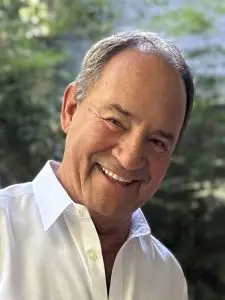
Roy Barsness, PhD
Dr. Roy Barsness is the Founder and Executive Director of the Contemporary Psychodynamic Institute. He is the author of the text Core Competencies of Relational Psychoanalysis and the text, Psychodynamic Supervision Theory and Practices in a New Key. Dr. Barsness teaches both nationally and internationally and is currently on the faculty of the Heguang Clinical Psychology Institute in China. In the past he has served as Academic Dean and Professor at the Seattle School of Theology and Psychology, Professor and Clinical Director at Seattle Pacific University and Clinical Associate Professor at the University of Washington School of Medicine.
References
Atlas, G., & Aron, L. (2018). Dramatic dialogue: Contemporary clinical practice. Routledge.
Barsness, R. E. (Ed.). (2018). Core competencies of relational psychoanalysis: A guide to practice, study and research. Routledge.
Barsness, R. E. (2025). Psychodynamic supervision theory and practices: In a new key. Routledge.
Benjamin, J. (2018). Beyond doer and done to: Recognition theory, intersubjectivity and the third. Routledge.
Kuchuck, S. (2021). The relational revolution in psychoanalysis and psychotherapy. Confer Books.
Maroda, K. J. (2026). Psychodynamic techniques: Working with emotion in the therapeutic relationship (2nd ed.). Guilford Press.
Contemporary Psychodynamic Institute. (2024, April 25). Video I: Core competencies of relational psychoanalysis: An introduction with Dr. Roy Barsness [Video]. YouTube. https://www.youtube.com/watch?v=mUOp0vpVCB8
Disclosures
Division 39 is approved by the American Psychological Association (APA) to sponsor continuing education for psychologists. Division 39 maintains responsibility for this program and its content.
CE Eligibility
This program, when attended in its entirety, is eligible for 1.5 continuing education credits. Austin Psychoanalytic will provide certificates of attendance to participants who attend the program in full. Austin Psychoanalytic’s continuing education programs are sponsored through Division 39’s APA-approved continuing education program. It is the responsibility of each licensee to verify that a given program meets the continuing education requirements for their specific license. Participants outside of Texas should consult their own licensing boards regarding CE eligibility.
Accessibility, Non-discrimination, and Privacy
Division 39 is committed to accessibility and non-discrimination in all continuing education activities and conducts its programs in accordance with the American Psychological Association’s Ethical Principles of Psychologists and Code of Conduct. Reasonable accommodations will be made whenever possible for participants with accessibility needs. Questions, concerns, requests for accommodations, or complaints may be directed to info@austinpsychoanalytic.org. Participants are also asked to respect the privacy and confidentiality of others throughout the program.
Financial Disclosure
There is no commercial support for this program. Neither Division 39, Austin Psychoanalytic, nor the presenter has any financial relationships or conflicts of interest that could reasonably be construed as influencing the program content.
Cancellations and Refunds
Registrants may cancel or transfer their registration to another person up to 48 hours before the event from their confirmation email, by logging into their member account if applicable, or by contacting info@austinpsychoanalytic.org. No cancellations, transfers, or refunds will be permitted within 48 hours of the event start time.
Grievances
Austin Psychoanalytic conducts its educational programs in accordance with the ethical standards of the American Psychological Association. Participants with a concern regarding a speaker or a Continuing Education program are asked to submit a written account of the matter to info@austinpsychoanalytic.org. Where a complaint is substantiated, Austin Psychoanalytic will determine an appropriate remedy, which may include placement in a comparable program at no additional cost, a credit toward a future program, or a partial or full refund.